
First Words
Quick Picks: Proven, Stackable Supplements
Short on time? These are popular, readily available options on iHerb. Each item below includes a one‑line reason to care and a call‑to‑action link.
- NOW Foods Ashwagandha (KSM‑66 or Sensoril) — Adaptogen with strong signals for perceived stress and sleep quality. View on iHerb →
- Doctor’s Best Phosphatidylserine (PS) 100 mg — Tames stress spikes from intense work or training; useful for over‑active evening brain. Shop on iHerb →
- California Gold Nutrition L‑Theanine 200 mg — Rapid calm within 30–60 minutes; great with coffee. View on iHerb →
- Jarrow Formulas Rhodiola 100–200 mg — For “tired but stressed” days; can support endurance and mood. See on iHerb →
- Magnesium (Glycinate or Citrate) — Sleep depth and muscle relaxation; baseline for everyone. Browse iHerb →
- Swanson Holy Basil (Tulsi) — Gentle calm without brain fog; nice daytime option. Shop on iHerb →
- Relora (Magnolia + Phellodendron) — Classic for evening unwind and snacking pressure. Find on iHerb →
- California Gold Nutrition Omega‑3 — Baseline inflammation + mood support that complements any stack. Get on iHerb →
How to pick: start with one anchor (ashwagandha or PS), add one fast helper (theanine), and cover basics (magnesium + omega‑3). Give any change two to three weeks before judging.
What Cortisol Actually Does (and Why It Misbehaves)
Cortisol mobilizes fuel, sharpens attention, and helps the body adapt. That’s good. Things go sideways when the “on” switch gets stuck, the peak happens too late in the day, or the baseline rides high for weeks. Common culprits:
- Sleep debt: late screens + short nights push the rhythm later, so you’re alert at 11 p.m. and foggy at 7 a.m.
- Blood sugar swings: light breakfasts or long gaps between meals make cortisol raise glucose to compensate.
- Over‑caffeinating: great for deadlines, not great for stable afternoons; energy “crashes” invite cravings.
- Training load: lots of high intensity with little recovery elevates basal cortisol; progress stalls and irritability shows up.
The mission isn’t “lower cortisol forever,” it’s rhythm: clear morning upswing, steady taper by evening, quiet nights. Supplements can nudge that curve, especially when paired with light, food timing, and sane caffeine habits.
Deep Dives: The Supplements That Actually Move the Needle
1) Ashwagandha (Withania somnifera)

Why people like it: A well‑known adaptogen used for centuries that, in modern studies, consistently shows benefits for perceived stress, sleep onset latency, and mood. Two standardized extracts dominate: KSM‑66 (root‑only, balanced calm) and Sensoril (leaf+root, a little “heavier” for relaxation).
Typical dose: 300–600 mg/day. For sleep and evening anxiety, take after dinner or at bedtime. For daytime calm focus, morning works—though some find it too relaxing for deep work hours.
Mechanism snapshot: adaptogenic modulation of the HPA axis, potential GABAergic tone support, and anti‑inflammatory/antioxidant effects that make stress signaling less “noisy.”
Good fits: difficulty winding down at night, early‑night awakenings, or “short fuse” days with restless evenings.
Watch‑outs: discuss with a clinician if taking thyroid meds or during pregnancy/breastfeeding. Start low if sensitive to sedative effects.
CTA: NOW Foods Ashwagandha — Shop on iHerb →
2) Phosphatidylserine (PS)

Why people like it: PS is a phospholipid present in neural membranes. It’s best known in sports and cognitive circles for reducing cortisol spikes related to acute stress (hard workouts, high‑stakes tasks) and improving the ability to “downshift” later.
Typical dose: 100–300 mg/day. For training stress, 60–90 minutes pre‑workout appears most helpful. For evening mind‑spin, take in the late afternoon/evening.
Mechanism snapshot: may modulate ACTH/cortisol response to acute stress, improve cell membrane dynamics, and support cholinergic transmission involved in attention and memory.
Good fits: athletes, heavy lifters in blocks of high intensity, professionals with stacked deadlines, or anyone who falls asleep late because the brain won’t quit.
Watch‑outs: rare GI upset in higher doses. Works nicely beside magnesium and omega‑3.
CTA: Doctor’s Best PS 100 — Shop on iHerb →
3) L‑Theanine

Why people like it: clean, quick calm. Found in tea leaves, theanine smooths caffeine’s rough edges, softens “meeting‑stack anxiety,” and helps focus without sedation.
Typical dose: 100–200 mg with or after coffee. For evening mind‑chatter, 200 mg works well 60–90 minutes before bed.
Mechanism snapshot: modulates alpha‑wave activity and may influence glutamate/GABA balance—translated: less frantic, more collected.
Good fits: sensitive coffee drinkers, students, creators, anyone with “panic‑pings” from notifications.
CTA: California Gold Nutrition L‑Theanine — View on iHerb →
4) Rhodiola rosea

Why people like it: performance + resilience. Rhodiola often helps the “tired but stressed” crowd regain morning energy without jitter. Useful in mentally demanding sprints and in endurance training blocks.
Typical dose: 100–200 mg standardized to rosavins/salidroside, taken in the morning or before lunch. Avoid late dosing; it can feel stimulating.
Mechanism snapshot: adaptogenic effects via HPA modulation and mitochondrial efficiency; may blunt perceived exertion and support mood.
Good fits: daytime fatigue with deadline pressure, low morning drive, or endurance athletes needing a gentle edge.
Watch‑outs: if anxious, start at 100 mg and assess. Pair with theanine if you want “calm energy.”
CTA: Jarrow Formulas Rhodiola — See on iHerb →
5) Magnesium (Glycinate or Citrate)

Why people like it: foundational for sleep quality and muscle relaxation. Most people under‑consume magnesium; topping up often improves heart‑rate variability and sleep depth, which indirectly supports a healthy cortisol curve.
Typical dose: 200–400 mg elemental magnesium nightly with a light snack. Glycinate is gentle; citrate is fine but can loosen stools.
Mechanism snapshot: cofactor in hundreds of enzymatic reactions, supports GABAergic tone, and reduces nocturnal awakenings in many users.
CTA: Popular Magnesium Options — Browse iHerb →
6) Holy Basil (Tulsi)
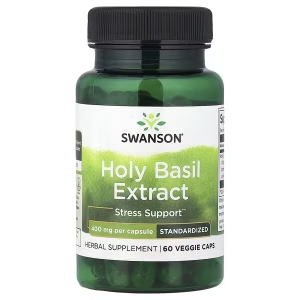
Why people like it: tulsi gives a clear, gentle calm—great for daytime steadiness without mental fog. It’s also popular as tea (pleasant ritual signal to “slow down”).
Typical dose: 450–900 mg/day of extract split in 1–2 doses, or tea in the afternoon/evening.
Mechanism snapshot: adaptogenic tone; may support healthy cortisol and catecholamine balance; traditional use for mood and stress.
CTA: Swanson Holy Basil — Shop on iHerb →
7) Relora (Magnolia + Phellodendron)
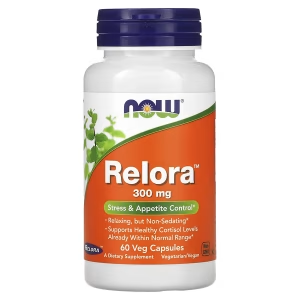
Why people like it: the “evening edge‑taker.” Many use it when workdays run late and the fridge starts calling. It’s calming without a hangover feel.
Typical dose: 250–300 mg two to three times daily; many prefer afternoon + evening.
Mechanism snapshot: magnolia’s honokiol + berberine‑containing phellodendron may influence GABA and stress circuits; commonly reported to reduce stress‑related snacking.
CTA: Relora blends — Find on iHerb →
8) Omega‑3 (EPA/DHA)
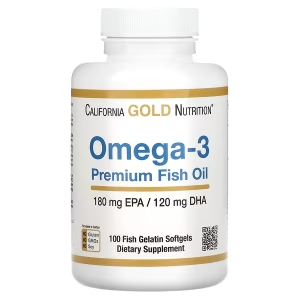
Why people like it: the quiet base layer. EPA/DHA support mood, inflammatory tone, and cell membrane health—helpful for stress resilience and recovery from tough training blocks.
Typical dose: provide ~1–2 g combined EPA+DHA daily with food.
Mechanism snapshot: membrane composition, eicosanoid signaling, and neurotransmission support.
Stack Builder: Simple, Sensible Combos
“Calm Focus” Workday Stack
- Morning: Coffee + L‑Theanine 200 mg
- Midday: Rhodiola 100–200 mg (skip if very sensitive)
- Evening: Magnesium 200–400 mg
- Optional anchor: Ashwagandha 300 mg at night if evenings stay edgy
“Train Hard, Sleep Harder” Stack
- Pre‑workout (60–90 min): Phosphatidylserine 200 mg
- Post‑dinner: Magnesium 200–400 mg
- Bedtime: Ashwagandha 300 mg
- Daily base: Omega‑3 providing 1–2 g EPA+DHA
Run a single stack 3–4 weeks. Track three signals: sleep onset, 3 p.m. energy, and evening cravings. If two of three improve, keep going. If not, swap the anchor (ashwagandha ↔ PS) or simplify.
Lifestyle Levers That Double Your Results
Supplements are nudges. The big levers are free:
- Morning light within 60 minutes of waking (5–15 minutes outside). It anchors your clock so the cortisol peak happens earlier—sleep improves without changing anything else.
- Protein at breakfast (25–35 g). Keeps blood sugar smooth; fewer afternoon dives, less emergency snacking at night.
- Caffeine cut‑off ~8 hours before bed. Most people sleep better just by moving the last coffee earlier.
- Wind‑down ritual 60–90 minutes pre‑bed: dim lights, hot shower, light reading. Signals safety; cortisol coasts down.
- Two “easy” training days weekly. Recovery is where fitness happens; it’s also where cortisol resets.
Food Timing: Underrated for Cortisol
Chrononutrition—when you eat—nudges hormones. Try this simple pattern for two weeks:
- Front‑load protein earlier in the day; include some carbs with lunch if afternoons slump.
- Training days: place most carbs around the workout window (before/after). Many sleep better with a modest carb portion at dinner.
- Don’t fear snacks if dinner is late. A protein + fruit or yogurt + nuts bridge prevents cortisol‑driven sugar raids later.
Special Situations
Shift Workers
- Use bright light at the start of your working “day,” blackout curtains for sleep, and keep a consistent rotation if possible.
- Leaning on theanine for calm focus and magnesium for sleep helps. Consider ashwagandha on off‑days if evenings feel wired.
Endurance Athletes
- Heavy blocks benefit from PS pre‑workout and steady omega‑3. Add rhodiola mornings in race prep if stimulants aren’t a problem.
- Fuel properly post‑session; under‑fueling is a cortisol trap.
Perimenopause & Cortisol
- Sleep gets fragile; magnesium glycinate + evening ashwagandha are frequent winners.
- Discuss any new adaptogen with a clinician if using hormone therapy or multiple medications.
Testing & Tracking (Optional, Useful)
- Subjective first: 1–10 ratings for energy, stress, sleep onset, and evening cravings. Cheap, powerful.
- Wearables: heart‑rate variability and sleep staging aren’t perfect, but trends matter. Look for steadier HRV and shorter sleep latency.
- Lab options: clinicians sometimes use morning serum cortisol or multi‑point salivary cortisol to map the curve. Not required to start, helpful in stubborn cases.
Troubleshooting: If You Don’t Feel a Difference
- Trim caffeine by 25–50% and set the cut‑off earlier.
- Swap the anchor: if ashwagandha is too mellow, try PS. If PS feels neutral, try evening ashwagandha.
- Timing matters: stimulatory things (rhodiola) earlier; relaxing things (ashwagandha, Relora) later.
- Eating too little can feel like stress; add 20–30 g protein and some carbs to lunch for two weeks.
- Stack creep is real. More pills ≠ more progress. Keep one anchor + two helpers at most.
Sample Day (Desk + Gym)
- 07:30 — sunlight + water; protein‑forward breakfast
- 08:30 — coffee + theanine 200 mg
- 12:30 — protein + veg + smart carbs; 15‑minute daylight walk
- 16:30 — training (on heavy days take PS 200 mg 60–90 min prior)
- 19:00 — balanced dinner
- 21:00 — magnesium 300 mg; add ashwagandha 300 mg or Relora if evenings stay edgy
- 22:30 — lights out (dim screens 90 minutes earlier)
Frequently Asked Questions
Is the goal to lower cortisol to the floor?
No. You want a healthy daily curve: alert mornings, calm evenings. Flattening cortisol entirely feels like sludge.
Ashwagandha or rhodiola first?
If evenings are the issue, start with ashwagandha. If daytime energy and resilience are weak, try rhodiola in the morning.
Can these be taken together?
Keep it simple: one anchor + two helpers (e.g., ashwagandha + theanine + magnesium). Add more only if there’s a clear need.
How long before results?
Theanine can be felt within an hour. Magnesium and ashwagandha: give them 1–3 weeks. PS: often noticed on the very first late workout/evening test.
Any interactions or cautions?
If pregnant, breastfeeding, or on thyroid/blood pressure/glucose medications, talk with a clinician. Stop if unusual symptoms appear.
Frequently Asked Questions
Is the goal to lower cortisol to the floor?
No. You want a healthy daily curve: alert mornings, calm evenings. Flattening cortisol entirely feels like sludge.
Ashwagandha or rhodiola first?
If evenings are the issue, start with ashwagandha. If daytime energy and resilience are weak, try rhodiola in the morning.
Can these be taken together?
Keep it simple: one anchor + two helpers (e.g., ashwagandha + theanine + magnesium). Add more only if there’s a clear need.
How long before results?
Theanine can be felt within an hour. Magnesium and ashwagandha: give them 1–3 weeks. PS: often noticed on the very first late workout/evening test.
Any interactions or cautions?
If pregnant, breastfeeding, or on thyroid/blood pressure/glucose medications, talk with a clinician. Stop if unusual symptoms appear.
Final Word (No Hype)
You don’t need ten products. A boring combo—morning light, protein at breakfast, caffeine cut‑off, and a tiny, targeted stack—beats complicated routines. Start light, test for a few weeks, and let your data decide the next move.
Medical disclaimer: Supplements support health; they’re not treatments. If persistent anxiety, depression, severe insomnia, or endocrine issues are present, consult a healthcare professional before changing anything.


Pasi Gauriloff is a marketer and content creator specializing in search engine optimization and building niche websites across various topics.
With expertise in SEO and digital content strategy, Pasi founded SupplementsBase.com to provide clear, well-researched information about supplements in an industry often clouded by marketing hype and exaggerated claims.
The goal is straightforward: help readers navigate the supplement world with honest reviews, research-backed information, and practical guidance on what actually works.